
The word “apprenticeship” tends to make people curious: What does it really mean, and what happens after? Michigan’s Race to Talent initiative, a statewide effort to grow and retain skilled workers, highlights registered apprenticeship programs with measurable outcomes. These programs build skills and help fill hard-to-hire roles.
The HITS Apprenticeship Program does all of that.
Recently, Michigan Works! recognized the Healthcare IT apprenticeship partnership between HITS and Washtenaw Community College (WCC) as a Race to Talent Champion. The paid program combines hands-on work inside Michigan Medicine with classroom learning at WCC. Apprentices earn wages while they learn, have tuition covered, and receive a U.S. Department of Labor–recognized credential upon completion.
For apprentices, that means hands-on experience and a smoother path into healthcare IT careers.
Information Systems Director Emily Fuentes and Service Desk Manager Brandon Boucher oversee the program’s staff and ongoing operations. Together with administrative support from Katie Ragla, the team ensures apprentices receive both technical training and professional guidance as they grow into their roles. This winter, Ragla accepted the award on behalf of the group.
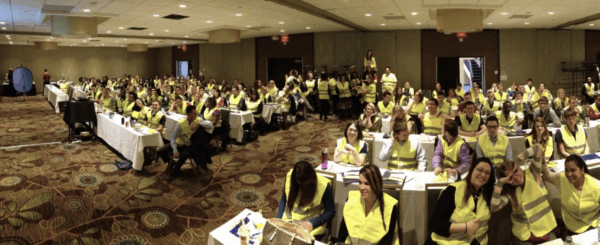
Jarrod Sandel, administrative management senior, initiated the apprenticeship program to solve a very real problem. In 2018, the IT job market was highly competitive, and despite offering strong pay and benefits, the Service Desk struggled with visibility and retention. Sandel responded to WCC’s quarterly mailer that celebrated National Apprenticeship Week, where they talked about opportunities for students “…to get paid and get their schoolwork covered all at once.”
“We did the due diligence of meeting with WCC, with the U.S. Department of Labor, and with potential students to construct the program in a way that would be maximally attractive. The rest is history.”
Jarrod Sandel, HITS
Sandel’s commitment to student development goes back over a decade, during his time with MiChart. “I helped hire over 200 summer interns,” Sandel reflects, adding that they helped major Go-Live efforts in 2013 and 2014. He credits colleagues, like John McPhall and Sally Pollock, who helped make those programs successful.
And the results are measurable. Since the apprenticeship program launched, 61% of participants have been hired into full-time roles at Michigan Medicine.
Race to Talent Champion recognition puts a spotlight on something many HITS teams already know: When we invest in people early and support them well, everyone benefits. That includes the future of healthcare IT. Sandel is proud. “It’s exceptionally gratifying to know that HITS remains dedicated to Michigan Medicine being a place of learning.”
Sandel has stayed connected with many former student employees and enjoys seeing where their careers take them, whether that’s within HITS or in IT roles across Michigan and even beyond. For Sandel, watching that growth has been exciting and reinforces how much these student programs can matter over time.
“An underrated benefit was the ability to spread praise of how great the Service Desk is to work for,” he says, while a growing pile of recommendation letters stack on his virtual desk. “Keep going, team!”


